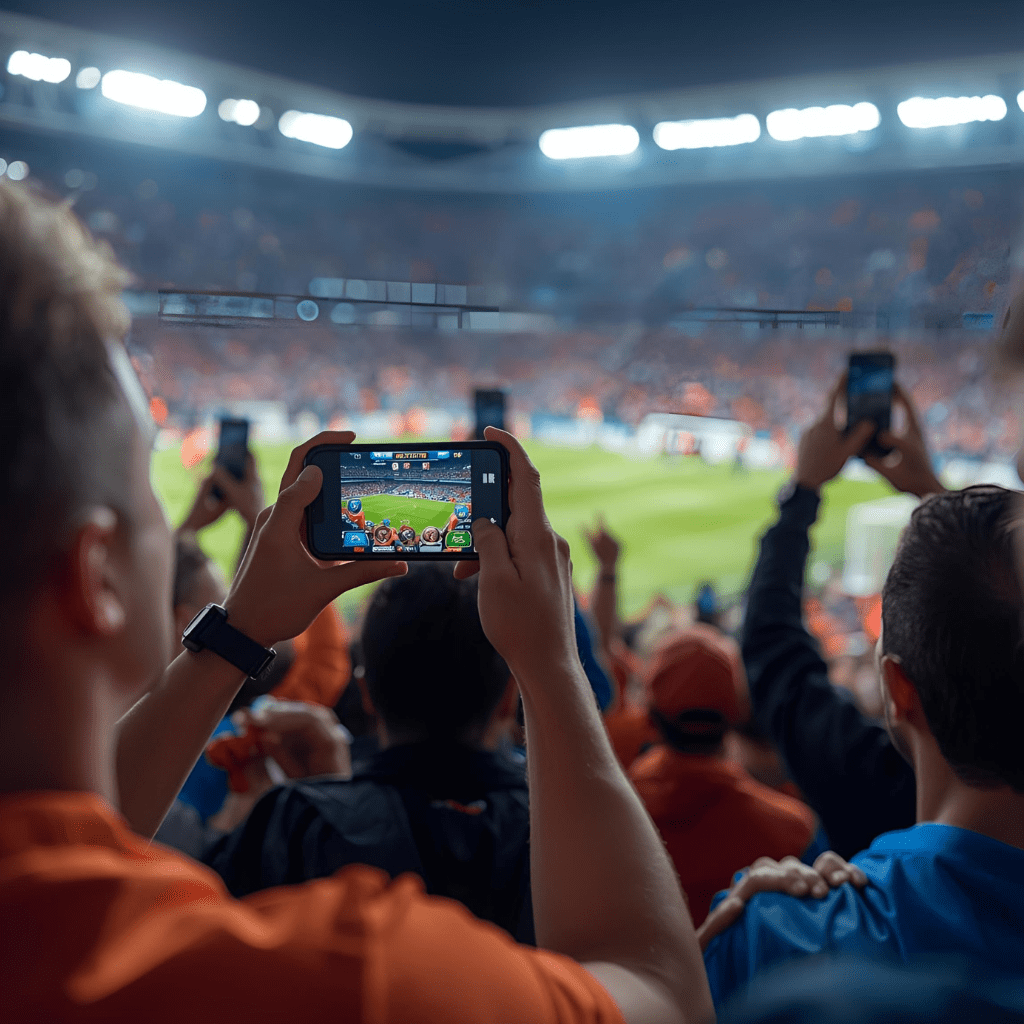

Gamification works when it meets real human needs. In sports, the best activations don’t just tack on points and badges—they satisfy fans’ drive for autonomy, competence, and relatedness, turning casual viewers into active participants.
What Makes Gamification Effective
- Autonomy: Let fans choose paths (prediction vs. trivia, solo vs. team play).
- Competence: Provide clear goals, progressive difficulty, and skill feedback.
- Relatedness: Encourage teamwork, friendly rivalries, and social sharing.
Tip: Start with the motivational need you want to satisfy, then select mechanics (leaderboards, streaks, co-op goals) that serve it.
Design Patterns That Consistently Perform
- Predict-to-Win: Pre-match predictions with live status, bonus points for accuracy, and tie-ins to merch discounts.
- Quest Lines: Multi-step challenges across a season (watch, share, attend), redeemable for escalating rewards.
- AR Scavenger Hunts: Stadium or city maps reveal virtual items; completing sets unlocks experiences.
- Community Goals: Aggregate fan actions (e.g., 1M taps to reveal a kit); everyone benefits when the community succeeds.
Example: Combine a match-day prediction game with a season-long progression ladder and limited-time AR drops at home fixtures.
Rewards Without Killing Intrinsic Motivation
Use rewards to acknowledge progress—not to replace the joy of play. Favor experiential prizes (meet-and-greets, behind-the-scenes access) and status signals (badges with utility) over cash-only incentives.
Measuring What Matters
- Engagement Depth: Sessions per user, completion rates, streaks.
- Community Effects: Invites sent, team play, UGC volume.
- Commercial Lift: Code redemptions, basket size, merch categories influenced.
Tip: Run A/B tests on mechanics (e.g., leaderboard scope: friends-only vs. global) and roll out the versions that increase retention without spiking churn.
Pitfalls to Avoid
- Over-gamifying basic tasks; novelty wears off fast without real value.
- Pay-to-win dynamics that alienate fans.
- Opaque odds or unfair advantages undermining trust.
Final Thoughts
Design for human motivation first, mechanics second. Done right, gamification becomes a long-term fan habit—and a reliable growth lever for sponsors and clubs alike.