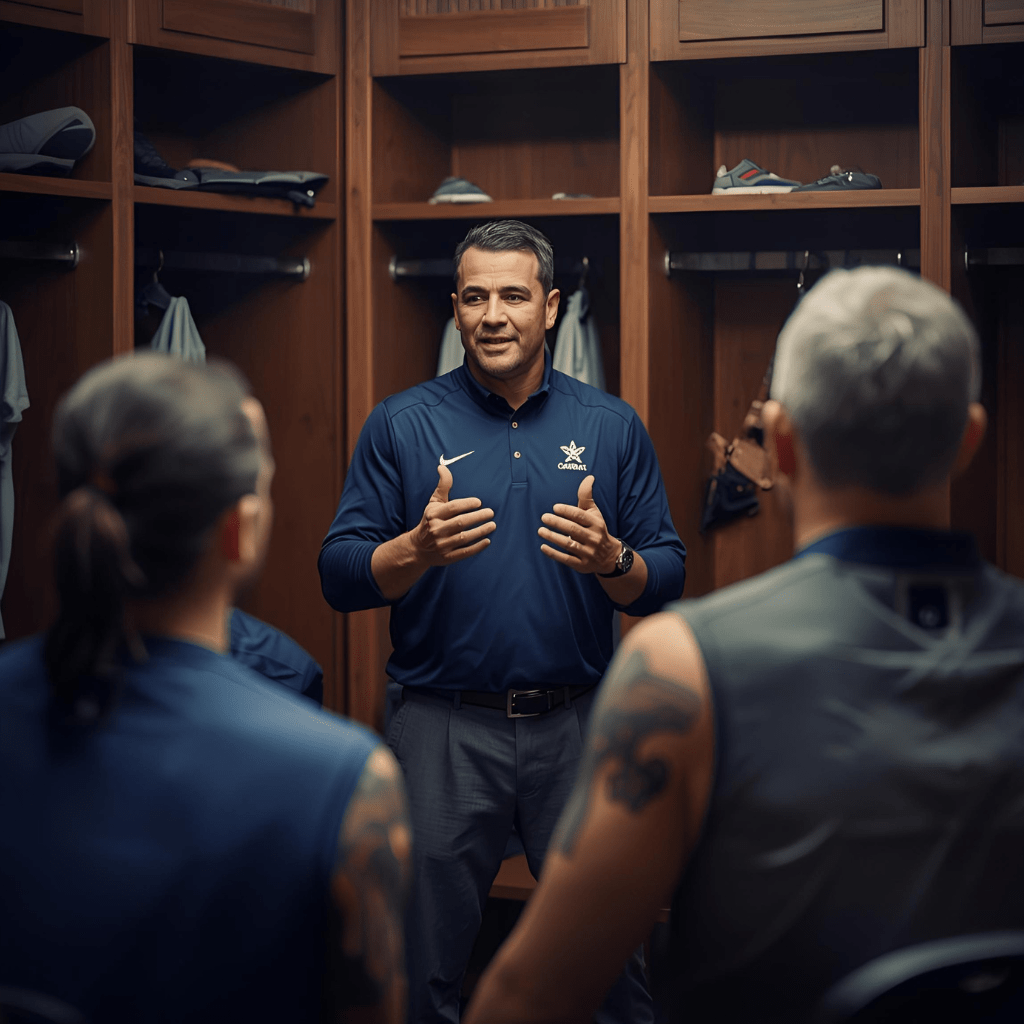

High-performance teams in sport aren’t accidents. They’re engineered—through culture, clarity, and relentless attention to how people think, feel, and interact under pressure. Technical skill matters; the social climate multiplies it.
Here’s a practical playbook leaders can use to build that climate—rooted in coaching experience and what research shows about teams that learn fast and perform when it counts.
Psychological Safety First
Athletes contribute more—and speak up sooner—when it’s safe to admit mistakes, ask for help, or challenge ideas.
- Normalize candor: Start sessions with “what did we learn yesterday?” and capture answers without blame.
- Error as information: Treat mis-cues as signals to refine drills, not as character flaws.
- Leaders go first: Coaches and captains model question-asking and reflection publicly.
Example: Post-match reviews begin with “biggest uncertainty we faced” and end with 1–2 experiments for next week’s training block.
Clarity: Roles, Standards, and Routines
High performers remove ambiguity.
- Role cards: Each player has 3–5 measurable responsibilities on and off the ball.
- Daily huddles: 10 minutes to confirm the day’s focus, constraints, and success criteria.
- Micro-rituals: Small, repeatable acts (e.g., post-practice “reset” time) that anchor discipline and humility.
Example: Borrowed from elite rugby culture: leaders “sweep the sheds”—visible service behaviors that signal no one is above the team.
Emotion Regulation and Contagion
Emotions spread fast in groups. A bench’s body language can decide a momentum swing.
- Designated calm: One staff member watches the group’s arousal and calls micro-timeouts for breathe-reset-refocus.
- Visible composure: Coaches rehearse neutral facial expressions during chaos to avoid transmitting panic.
- Peer prompts: Captains use short cues (“next action”, “reset”) to break rumination loops.
Tip: Build a “pressure playlist” of scenarios (late lead, hostile crowd, VAR chaos) and rehearse the emotional response, not just the tactics.
Feedback Loops that Actually Change Behavior
- Fast + bite-size: 30–60 seconds of objective feedback immediately after reps.
- Video windows: Short annotated clips that isolate patterns and next actions.
- Two-way contracts: Players agree on 1–2 commitments they’ll pilot until the next review.
Cross-Functional Staff, One Team
Performance improves fastest when S&C, medical, analysts, and coaches share a single plan:
- Weekly integrated plan: Training load, tactical priorities, and recovery protocols in one view.
- Common language: Agree on shared definitions (“high-intensity effort”, “readiness”).
- Escalation paths: Pre-agreed rules for when sports science overrides competitive impulses (e.g., red-flag thresholds).
Common Pitfalls—and Fixes
- Fear of speaking up: People self-censor around senior figures.
Solution: Leaders explicitly invite dissent—“what am I missing?”—and recognize it when it shows up.
- Role confusion: Staff talk past each other.
Solution: Write role cards and publish them; revisit after major injuries or staffing changes.
- Emotional whiplash: Team mirrors the sideline’s frustration.
Solution: Train visible composure and reset cues like any other skill.
Final Thoughts
Great teams make courage routine: clear roles, honest dialogue, and emotional steadiness under stress. That’s the environment where skills compound and results become consistent.